
Why Scotland’s Les Miserables? The Story Behind the Name
The title Scotland’s Les Misérables was inspired by the profound emotional and moral parallels Victoria recognized in her life as a child trafficking survivor after seeing Les Misérables performed live in a theater.
The connection was never about just identifying with a single character, but with the broader world the story portrays: vulnerable lives caught inside powerful systems, hidden suffering beneath respected institutions, the collision of faith and corruption, and the long struggle for justice, dignity, and redemption after profound trauma.
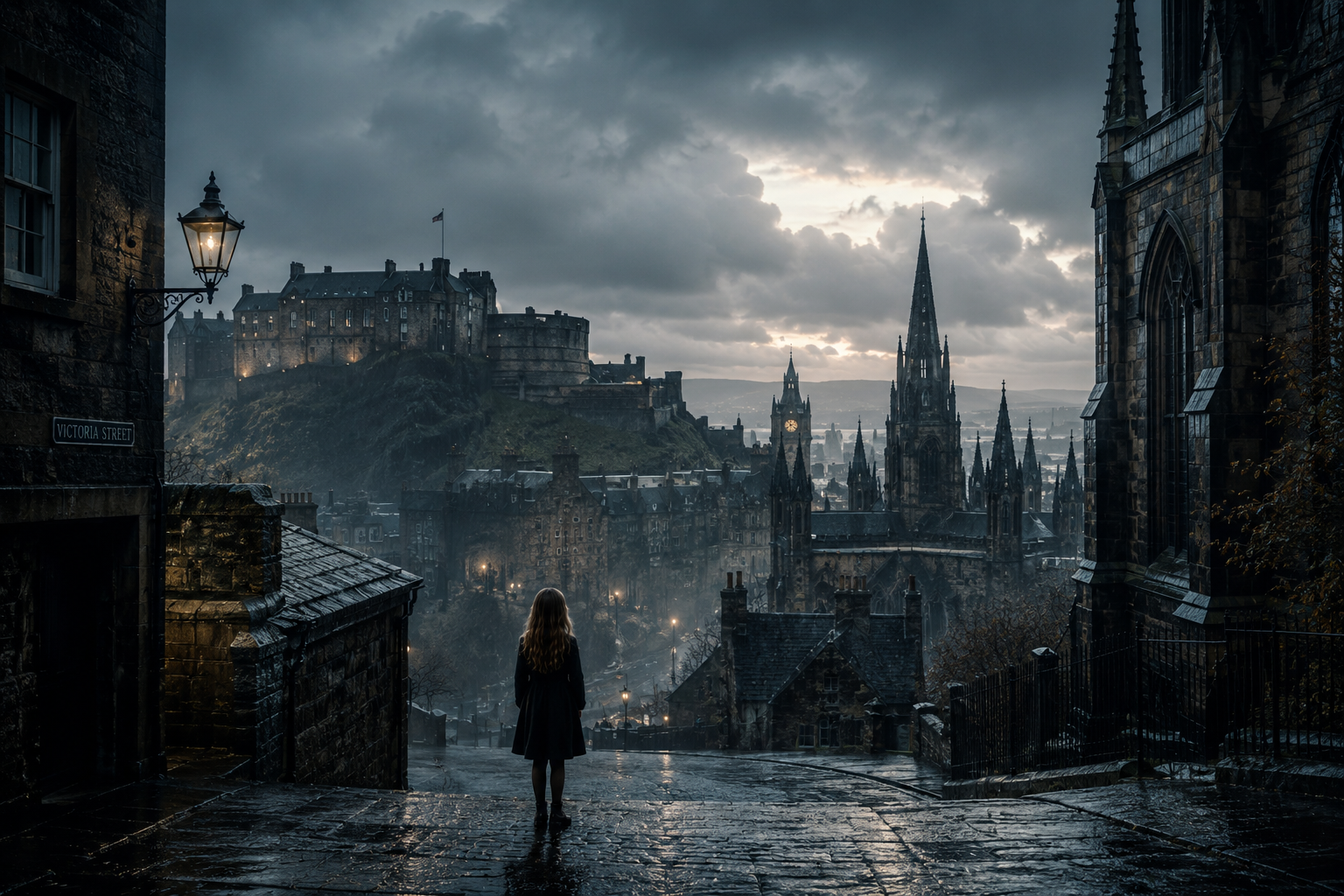
The atmosphere of Scotland itself — its history, its rain, stone architecture, spiritual heritage, and haunting emotional landscape — deepened that connection even further.
More than a memoir, Scotland’s Les Misérables became a way of describing a story that felt historical, spiritual, cinematic, and morally consequential all at once.
In Les Misérables, people are constantly trapped inside forces larger than themselves. And yet the story is also intensely spiritual and moral. It asks:
—What happens to a soul after evil?
—Can dignity survive degradation?
—Can someone still become whole after being hunted, exploited, or broken?
—Does justice matter when systems fail?
That overlaps heavily with the emotional and spiritual architecture of what Victoria experienced in her life as a survivor of child trafficking.
In many ways the atmosphere of Scotland connects with the atmosphere of Les Miserables, not just plot— dark European imagery, candlelight, cathedrals, barricades, fog, and moral gravity.
And importantly: Though Victoria initially connected with the character and experiences of Cosette, when she first saw the musical, her connection to the story is broader than that. She was responding to the entire emotional universe of the story:
—innocence exploited,
—people swallowed by powerful systems,
—hidden suffering,
—the collision of faith and evil,
—survival,
—justice delayed,
—the question of whether redemption and truth can still emerge afterward.
That’s also why the title “Scotland’s Les Misérables” works effectively. It communicates several things simultaneously:
—historical scale,
—moral seriousness,
—suffering within society rather than outside it,
—institutional dimensions,
—spiritual conflict,
—a story that is larger than one isolated incident.
—a project that is literary, historical, cinematic, and moral
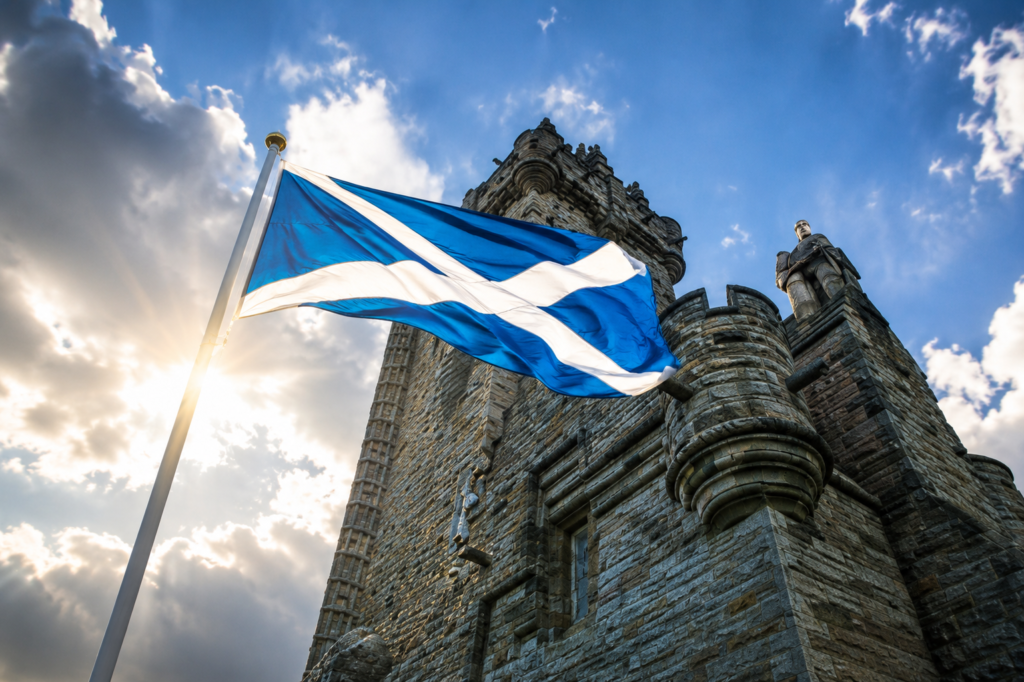
—a country’s historic independence battle
And there’s another layer here that matters:
Les Misérables is ultimately about whether truth and grace can survive inside a corrupted world. That’s the question Scotland’s Les Miserables asks now to a modern Scotland and to a modern world.


Do You Hear the People Sing?
It’s Time For a National Reckoning
One survivor’s fight for freedom becomes a country’s call for justice.